
Emergency Department Radiology
March 18–21, 2027 · Mexico City · Grand Fiesta Americana Chapultepec
Course Directors: Dr. Daniela Galan and Dr. Leandro Singerman
CME for physicians
ARRT CE for technologists
Trauma & acute care
Case-based
Polytrauma, undifferentiated abdominal pain, the overnight head CT with a surgeon on the phone. Emergency and trauma imaging is defined less by anatomy than by the clock and the consequences — and it rewards pattern recognition built on volume.
Both course directors are full-time faculty in the Emergency and Trauma Imaging Division at the University of Miami / Jackson Memorial Hospital, home of the Ryder Trauma Center. The cases come from a service that sees this work every day.
Overview
Four days of case-based emergency and trauma imaging in Mexico City, led by Course Directors Dr. Daniela Galan and Dr. Leandro Singerman, with senior faculty from one of the busiest trauma services in the United States.
The format is deliberately case-driven rather than lecture-driven. Emergency radiology is a volume discipline: the reason an experienced trauma radiologist sees the subtle finding is that they have seen it before, often. Four concentrated days of reviewing real cases with the people who read them is the fastest available substitute for time on that service.
The program runs immediately after the Breast Imaging Program at the same venue, so a single trip to Mexico City can cover both.
Areas covered
Indicative scope. The final programme is set by the course directors.
Polytrauma
Whole-body CT, triage, and reporting priorities
Neurotrauma
Head and spine in the acute setting
Thoracic emergencies
Aortic injury, PE, chest trauma
Acute abdomen
Undifferentiated pain, bowel, solid organ injury
Musculoskeletal trauma
Fracture patterns and missed injuries
Pitfalls & misses
The findings most often missed on call
Who should attend
Radiologists who cover emergency departments — whether as a subspecialty or as part of a general practice taking call. Also relevant to residents and fellows preparing for independent overnight responsibility, and to radiologic technologists working in emergency and trauma settings, who attend for ARRT CE credit.
Learning objectives
Learning Objectives subject to change
The objectives below are subject to change. Session-level objectives are authored by the presenting faculty and reviewed by the accrediting provider before publication.
On completion of this activity, participants should be able to:
- Apply a systematic, region-specific search pattern to emergency CT of the head and neck, chest, abdomen and pelvis, and musculoskeletal system.
- Apply current grading and classification systems that drive management decisions — including the 2018 AAST organ injury scales, Biffl grading for blunt cerebrovascular injury, Young-Burgess pelvic classification, and endoleak classification — and report findings in the terms the treating service uses.
- Recognize the high-consequence findings most frequently missed in each anatomic region, and describe the search behaviors that account for those misses.
- Interpret imaging in the postoperative and post-intervention patient, distinguishing expected altered anatomy from complication.
- Select and interpret advanced techniques — dual-energy CT, CT perfusion, and contrast-enhanced ultrasound — in acute presentations where they change management.
- Appraise AI tools encountered in the emergency imaging workflow, including failure modes and governance questions before deployment.
- Communicate critical and unexpected findings in a form the emergency and trauma services can act on immediately.
Program
Four mornings, 18–21 March 2027. Each day starts with breakfast at 7:30 am and finishes at midday, with question-and-answer blocks built in mid-morning and at the close — so the afternoons stay clear.
Agenda subject to change
The session list below is the planned programme and is subject to change. Individual lectures have not yet been assigned to speakers — the faculty are confirmed, the session-by-session mapping is not. Speaker attributions are added here as they are set. 19 CME credits are anticipated, pending accreditation.
Day 1 · Thursday 18 March — Neuro, head & neck, and spine trauma
Day 2 · Friday 19 March — Thoracic emergencies
Day 3 · Saturday 20 March — Abdominal and genitourinary emergencies
Day 4 · Sunday 21 March — Musculoskeletal emergencies
Who is teaching it
Course directors Dr. Daniela Galan and Dr. Leandro Singerman, with Dr. Felipe Munera and Dr. Gary Danton as senior advisors and Dr. Robert Quencer among the Collective’s founding physicians. All five read emergency and trauma studies on the same service at the University of Miami and Jackson Memorial. Which of them takes which session is still being decided.
Faculty
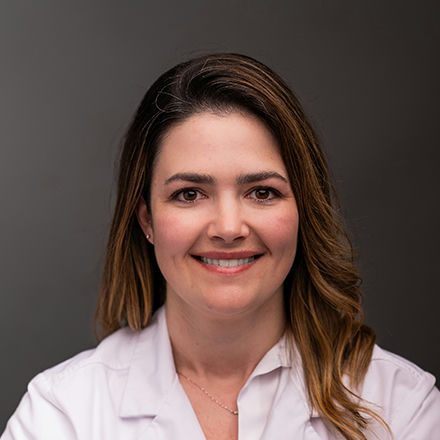
Course Director
Full-time faculty in the Emergency and Trauma Imaging Division at the University of Miami / Jackson Memorial Hospital and Ryder Trauma Center. Trained in Venezuela at La Universidad del Zulia, with fellowships at UM/JMH in both cancer imaging and emergency/trauma imaging. An active member of the AI radiology team, leading algorithm development for vertebral fractures, bone density loss, and thoracic aortic aneurysm.
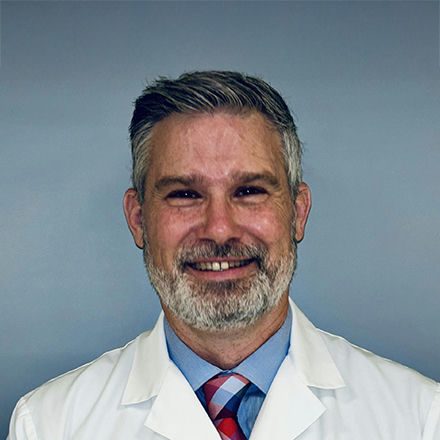
Course Director
Assistant Professor of Clinical Radiology in the Emergency and Trauma Division at the University of Miami Miller School of Medicine. Medical degree, radiology residency, and chief residency at the National University of Rosario, Argentina, followed by three US fellowships — abdominal and cardiothoracic imaging at Cleveland Clinic Florida, and emergency/trauma radiology at Jackson Memorial / University of Miami.
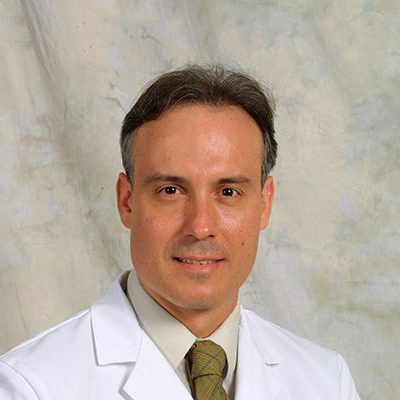
Senior Advisor
Professor of Radiology and Division Head for Emergency Radiology at the University of Miami / Jackson, and Medical Director of Radiology Services for the University of Miami Hospitals. A long-standing authority in trauma imaging.
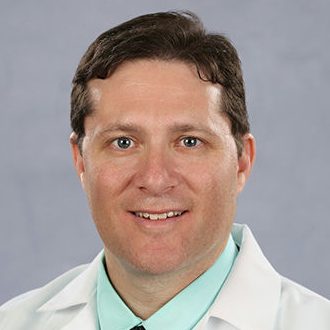
Senior Advisor
Emergency and trauma radiologist at the University of Miami / Jackson, contributing to the program’s case selection and teaching approach.
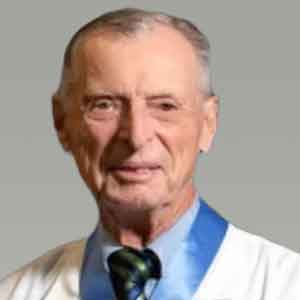
Senior Advisor & Convener
One of the Collective’s founding physicians, serving as senior advisor and convener across its programs.
Both course directors trained in Latin America — Dr. Galan in Venezuela, Dr. Singerman in Argentina — before joining the trauma service in Miami. For a program in Mexico City drawing attendees from across the region, that means faculty who can teach and take questions in both languages.
Mexico City & the venue
Four days at the Grand Fiesta Americana Chapultepec, structured so the time away produces a measurable return on a schedule that has none to spare.
The Grand Fiesta Americana Chapultepec, on the edge of the Bosque de Chapultepec and a Forbes Travel Guide award recipient. The room block covers March 14–22, 2027, sized to accommodate both March Mexico City programs, so one booking works whether you’re attending one or both. Details are published closer to the event.
Afternoons in Mexico City
Sessions conclude at midday, and the afternoon is yours. Four prospective activities are being planned alongside the programme, chosen so that a few days in Mexico City can take in the city’s great park, its colonial and Mexica core, the largest ancient city in the Americas, and a round of golf — without ever competing with the academic sessions. All are optional and carry their own costs, separate from conference registration.
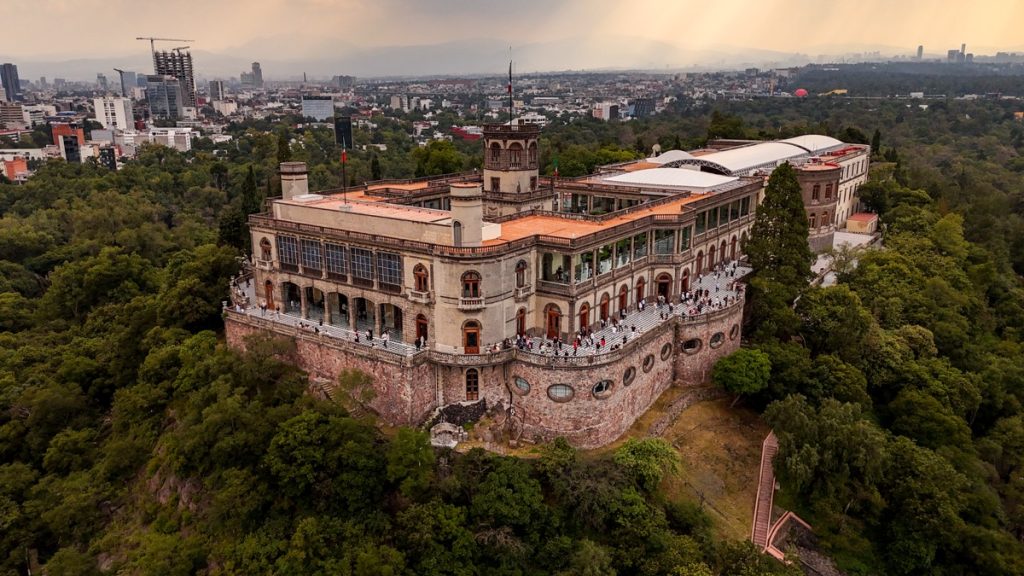
Chapultepec Castle — the only castle in the Americas to have housed reigning sovereigns.
© ProtoplasmaKid / Wikimedia Commons, CC BY-SA 4.0
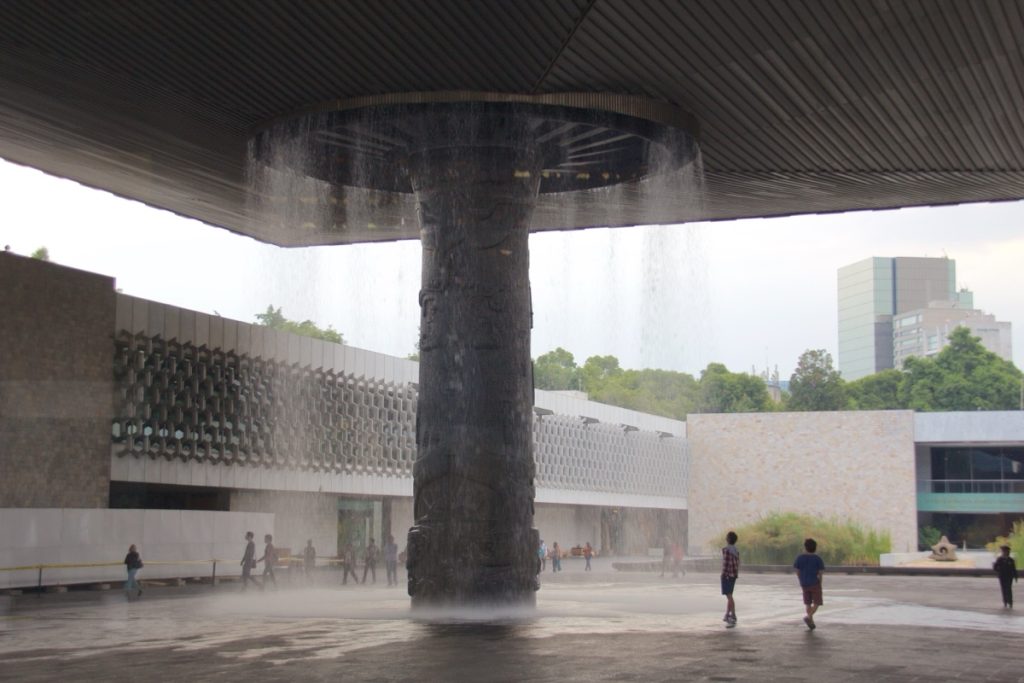
The National Museum of Anthropology — “El Paraguas” in the courtyard.
© Mike Peel, CC BY-SA 4.0
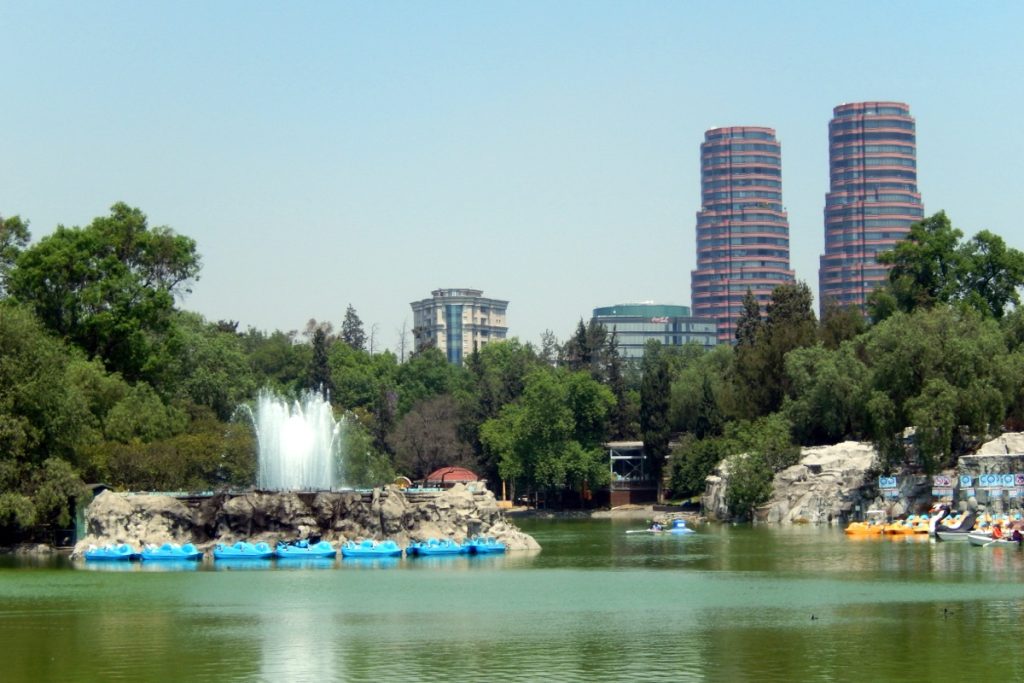
The lake in the first section of the Bosque de Chapultepec.
© Bohao Zhao, CC BY 3.0
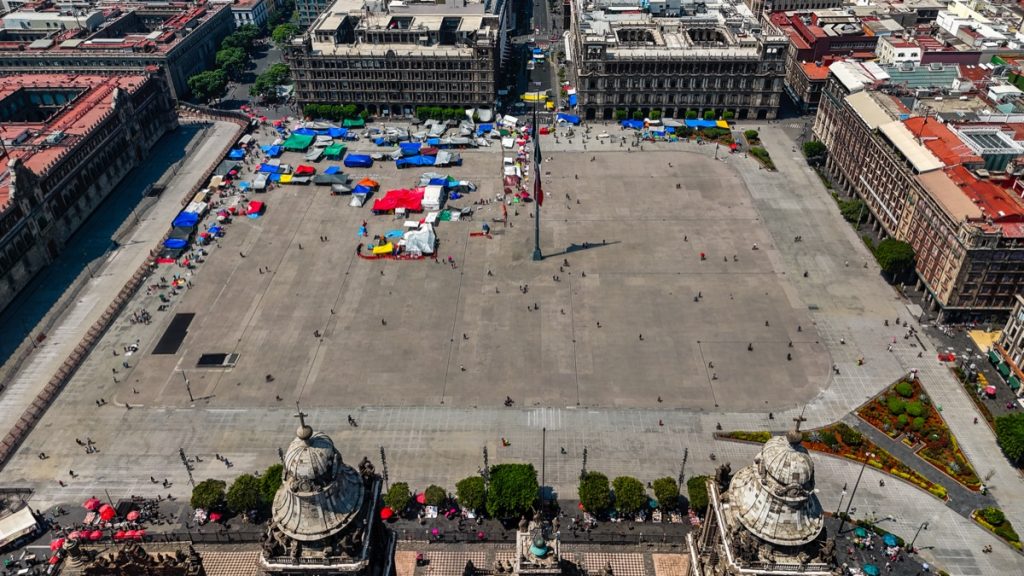
The Zócalo — laid directly over the ceremonial centre of Tenochtitlán.
© ProtoplasmaKid / Wikimedia Commons, CC BY-SA 4.0
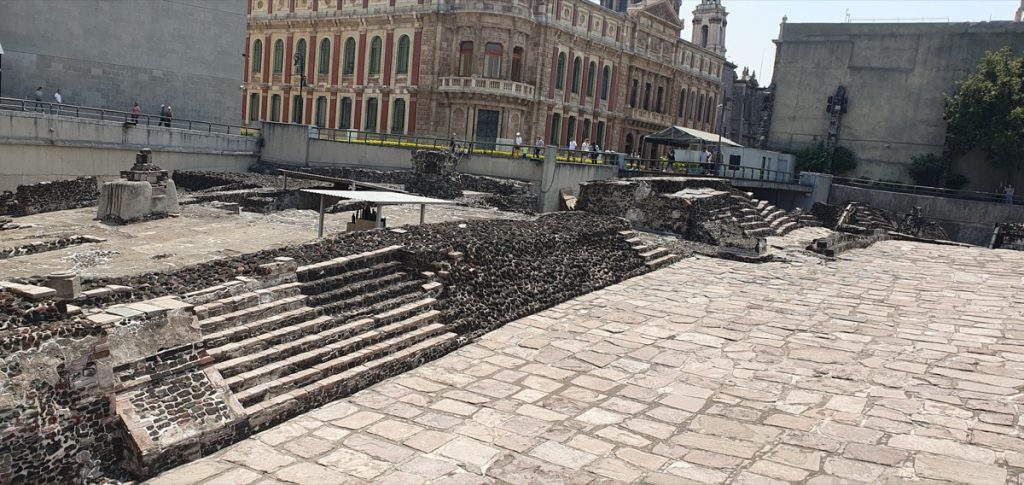
Templo Mayor — the Mexica great temple, excavated alongside the colonial city.
© José Luiz, CC BY-SA 4.0
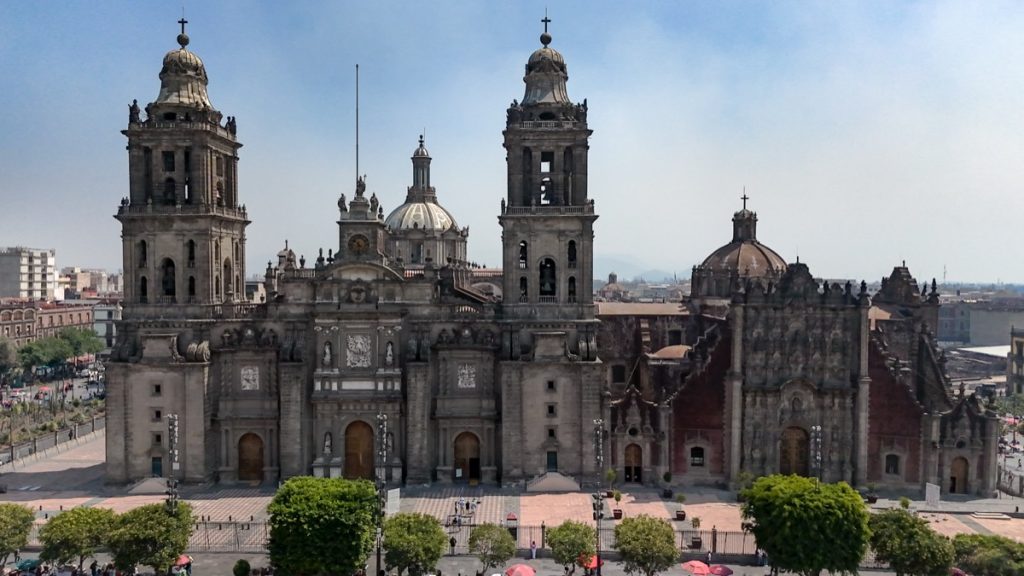
Catedral Metropolitana — two and a half centuries of building on a sinking lakebed.
© ProtoplasmaKid / Wikimedia Commons, CC BY-SA 4.0
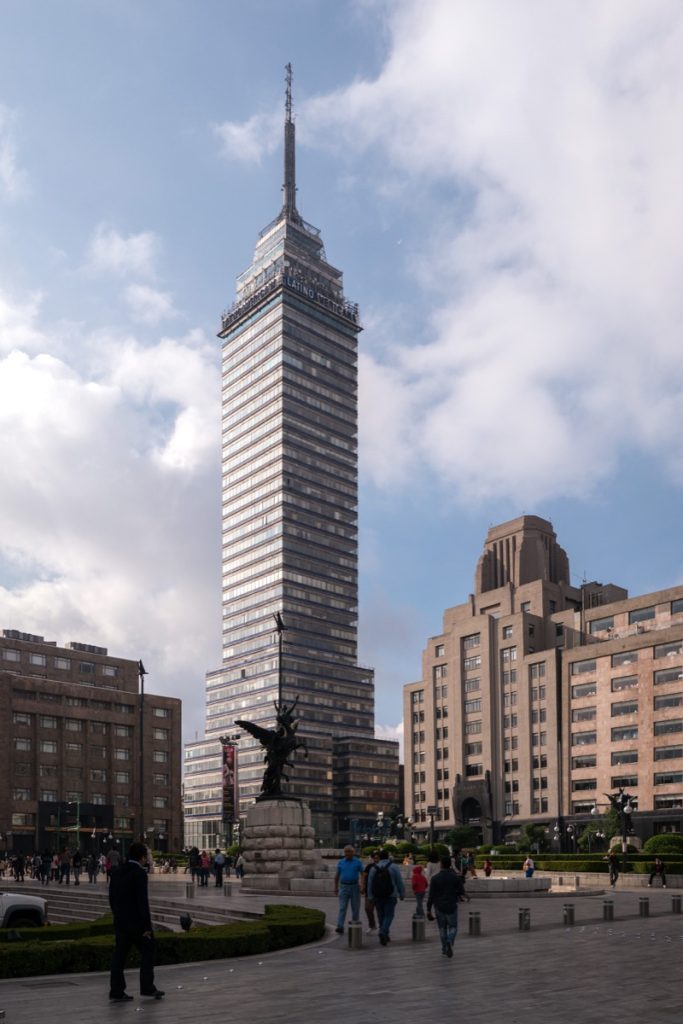
Torre Latinoamericana — 45 storeys, and an open deck on the 44th.
© Thomas Ledl, CC BY-SA 4.0
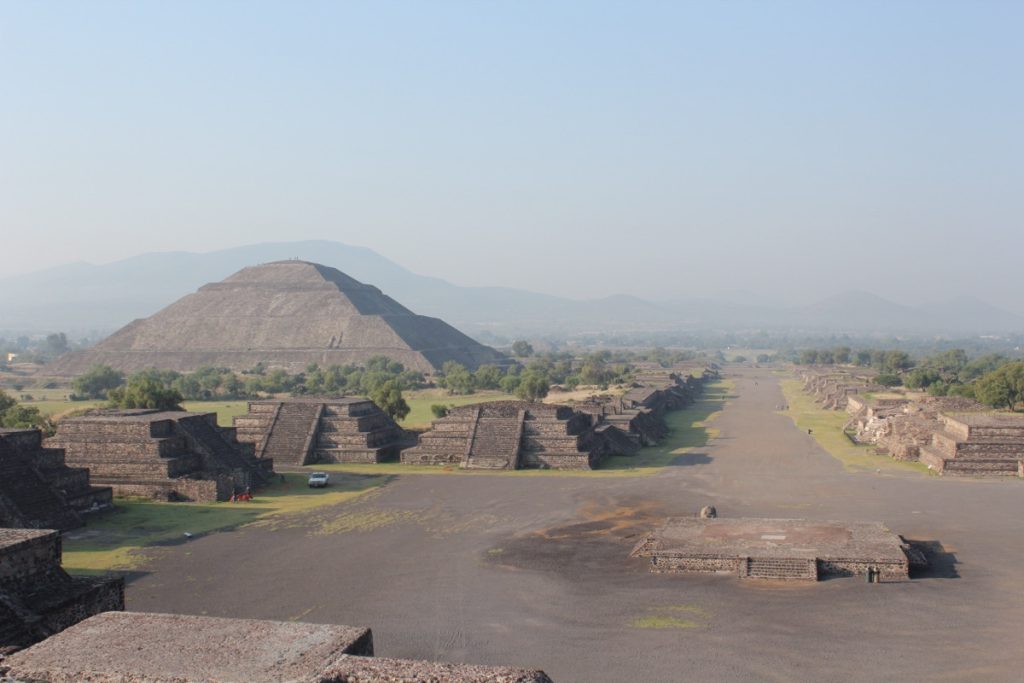
Teotihuacán — the Pyramid of the Sun and the Avenue of the Dead.
© Arian Zwegers, CC BY 2.0
Photographs of Mexico City are reproduced from Wikimedia Commons under the Creative Commons licences credited above. El Copal Club de Golf is not pictured: no freely licensed photograph of the club exists.
The activities below are prospective. Which one runs on which afternoon has not been fixed, because it depends on the final session timetable and on the days particular sites are open. The schedule, departure times and booking details are confirmed and published closer to the event. What is settled is the shape: nothing departs before 1:30 pm, so no activity competes with the morning programme.
Participation is optional and à la carte, at additional cost: join one, join several, or none, and guests and family members are welcome on every activity. Coach groups depart from the hotel entrance; walking groups leave from the lobby.
The afternoon programme is not included in the $1,595 conference registration, which covers the academic programme, credit and your 12-month Collective Membership. Each activity is priced separately and paid by the attendee, and guests and family members pay the same rates. The three ticketed sites come to roughly 520 MXN in total — about US$28 at August 2026 rates — plus the Torre Latinoamericana ticket and any cathedral donation. Golf is separate and higher once the green fee, cart and caddie are counted. Budget for pesos in cash: card acceptance at museum gates is inconsistent.
Park, castle & national museum · moderate walking
A forest with an empire’s worth of history stacked inside. The hill was a Mexica retreat before it was a military academy, and the castle at the top is the only one in the Americas to have housed reigning sovereigns — Maximilian and Carlota, whose apartments still hold their furniture. From the ramparts the whole valley and the Paseo de la Reforma line up in one view. At the foot of the same park, the National Museum of Anthropology holds the Sun Stone, the Olmec heads and the Maya jades. The two are an either-or, not an add-on.
Moderate walking, 2–3 km, including a 15-minute climb to the castle (a tram runs the hill for 15–20 MXN). Castle 210 MXN or museum 95 MXN. Last castle entry is 4:30 pm and no bags are allowed inside — free lockers sit at the base of the hill.
The castle and the Anthropology Museum are both closed on Mondays. The castle sits on an exposed hilltop and can close for lightning, in which case the museum is the wet-weather substitution.
Four landmarks on foot · easy to moderate walking
The densest option and the most compact: four landmarks and three civilizations, all within a few blocks. The Templo Mayor — the Mexica great temple, buried under the colonial city and only rediscovered in 1978 when electrical workers struck the Coyolxauhqui monolith. The Catedral Metropolitana, built over two and a half centuries on the sinking lakebed, where the tilt in the floor is the same subsidence the city still fights. And the 44th-floor deck of the Torre Latinoamericana, which rode out the 1985 earthquake intact when newer buildings did not.
Easy to moderate walking, about 2 km. Templo Mayor 100 MXN; the cathedral is free with a 20–50 MXN donation; the tower is ticketed on site. Smart casual — the cathedral enforces no shorts and no sleeveless tops.
Templo Mayor is closed Mondays and closes at 5:00 pm; the tower stays open to 10:00 pm. Midweek is consistently quieter than the weekend. Worth doing in order — ruins, then cathedral, then tower, so the tower catches the late light.
Full excursion outside the city · demanding walking
The largest city in the Americas long before the Mexica arrived — and large enough that they treated the ruins as sacred ground and gave the place the name we still use, “where the gods were created.” Who built it remains unsettled. What survives is the scale: a four-kilometre axis with the Pyramid of the Sun on one flank, the Pyramid of the Moon closing the north end, and the Temple of the Feathered Serpent at the south, laid out on a grid roughly 1,600 years old.
The longest option and the only one that leaves the city: 50 km northeast, 60–90 minutes each way. Demanding walking — a 4 km axis with no shade and full sun at 2,300 m. 210 MXN for foreign visitors, 105 MXN for Mexican nationals. An afternoon allows one coherent route rather than the whole city.
Open every day, including holidays, and the site closes at 5:00 pm. Climbing the pyramids has been permanently prohibited since 2024 for conservation reasons — the staircases are viewed from the ground.
Nine holes · 30–45 minutes from the centre
A nine-hole, par-70 layout on the northern edge of the metropolitan area — close enough to reach after a closing session, long enough at just under 6,000 yards to be a real round, and open to visiting players without a member sponsor. Caddies are available and worth taking; the greens read differently than they look. For anyone who does not play, the practice range and the clubhouse restaurant are open to the group.
Juan Ixhuatepec, Tlalnepantla. Nine holes, par 70, 5,982 yards from the white tees and 4,876 from the red, Bermuda greens and Kikuyu fairways. Nine holes plays in about two hours against a 4:30 pm course close. Collared shirt and golf shoes.
Green fees depend on the day and the tee time: 800–1,200 MXN on a weekday, 1,550 MXN at weekends and on holidays, with an afternoon start priced above the standard weekday nine-hole rate. Cart 450 MXN, caddie 300–450 MXN. A negotiated group rate is part of the booking conversation.
Altitude. The city sits at roughly 2,240 m (7,350 ft). Expect to feel the first day’s walking more than you would at home: drink more water than usual, go easy on alcohol the first evening, and pace the uphill sections. Sun and rain in one afternoon. Afternoons run bright and hot until a short, heavy shower arrives; sunscreen, a hat and a packable rain shell cover both. Cash. Admissions, the Chapultepec tram, cathedral donations, caddies and tips are simplest in pesos — card acceptance at museum gates is inconsistent. Shoes. Every activity except golf involves 2–5 km on uneven stone, cobble or volcanic rock. Closed walking shoes, not sandals.
These activities are social and recreational. They carry no CME credit, sit entirely outside the certified education, and are not funded by commercial support. Each is scheduled strictly after the day’s final session, which keeps that separation clean.
Which activity runs on which afternoon, departure and return times, and the booking arrangements. Peso amounts are the rates published in August 2026 and are reconfirmed before registration opens. Also to come: whether these fees are collected with registration or paid on site, group transport and bilingual guides for Teotihuacán and the Templo Mayor, and an accessible alternative for each activity — the castle hill, the Teotihuacán axis and the Templo Mayor walkways are all difficult for attendees with limited mobility.
Program sponsors
Program sponsors for Emergency Department Radiology are confirmed closer to the event and acknowledged here.
Attending both March programs?
It ends the day before this program begins, at the Grand Fiesta Americana Chapultepec. One flight, one hotel booking, one set of travel approvals, two subspecialties. Your Collective Membership covers recorded access to both either way.
Common questions
Live attendance at Emergency Department Radiology with full credit, plus a 12-month Altus Radiology Collective Membership — recorded access to every other 2027 conference, the digital library, community features, and credit tracking.
No. It’s built for anyone who reads emergency studies, including general radiologists who take ED call as part of a broader practice. The case-based format works at both levels because the discussion adapts to the room.
Yes. The program is accredited for both physician CME and technologist ARRT CE, so radiologists and the technologists they work with can attend together and each claim the credit that applies to their role.
Sessions are delivered in English. Both course directors are fluent Spanish speakers and are available for discussion in either language throughout the program.
15 CME credits are anticipated for the four-day programme, pending accreditation. The programme is accredited for both physician CME and technologist ARRT CE, and the final figure is confirmed ahead of the event.
Registration invoices as accredited continuing education conference registration — the category most hospital CME offices already recognize. Institutional travel approval typically needs about six months of lead time, so for a March 2027 program that conversation belongs in autumn 2026.
The All-Access Pass gives you the same 12-month membership and recorded access to all six 2027 programs without live attendance.
Yes. Sessions conclude at midday, and four optional activities are being planned alongside the programme — Bosque de Chapultepec, the Centro Histórico, Teotihuacán, and nine holes at El Copal. Which activity runs on which afternoon is confirmed closer to the event. Nothing departs before 1:30 pm, so no activity competes with the academic sessions. Participation is optional and à la carte, and guests and family are welcome. These activities are social, carry no CME credit, and are not included in the $1,595 registration — each is priced separately and paid by the attendee. See Afternoons in Mexico City.
March 18–21, 2027 · Mexico City
- Live attendance, full credit
- 12-month Collective Membership
- Access to all six 2027 programs
- Digital library & community
Can’t travel? All-Access Pass →
Breast Imaging 2027, Featuring AI — March 14–17, same venue, ending the day before this program begins.
The room block spans March 14–22, so attending both March programs needs a single reservation.
Four days of cases. A year of access.
Registration is $1,595 and includes a full 12-month Collective Membership.