
31st Annual Mammography in Santa Fe
August 2–6, 2027 · Santa Fe, New Mexico
Course Director: Dr. Christopher Comstock · Co-Directors: Dr. Michael N. Linver and Dr. Katja Pinker
CME for physicians
ARRT CE for technologists
31 consecutive years
BI-RADS v2025
Dr. Michael N. Linver started this course in Santa Fe in 1996 and led it for thirty years. It has run every year since — long enough that a substantial part of the room each August has been coming for a decade or more, and long enough to have taught a generation of breast imagers.
In 2027 the course is directed by Dr. Christopher Comstock, with Dr. Linver continuing as co-director alongside Dr. Katja Pinker. That is the whole idea behind the Collective, happening in public: a program built to outlast the person who founded it.
Overview
Five days of subspecialty breast imaging in Santa Fe, in the course's thirty-first consecutive year. The format has always been case-review rigour rather than lecture volume, and that has not changed — what changes each year is the material the cases have to account for.
For 2027 that means BI-RADS v2025, ACR's first substantial lexicon revision in twelve years, now the language every attendee reports in daily. It also means the supplemental screening questions that this faculty has spent careers answering with actual trial data: abbreviated breast MRI, contrast-enhanced mammography, whole-breast ultrasound, and how to decide between them for a woman with dense breasts.
Mornings are case review; afternoons are optional, hands-on time at individual reading workstations across mammography, tomosynthesis, breast MRI, whole-breast ultrasound, and contrast-enhanced mammography.
NeuroENT Imaging with the Masters follows in the same city, August 5–8, sharing a transition day — so one trip to Santa Fe can cover both.
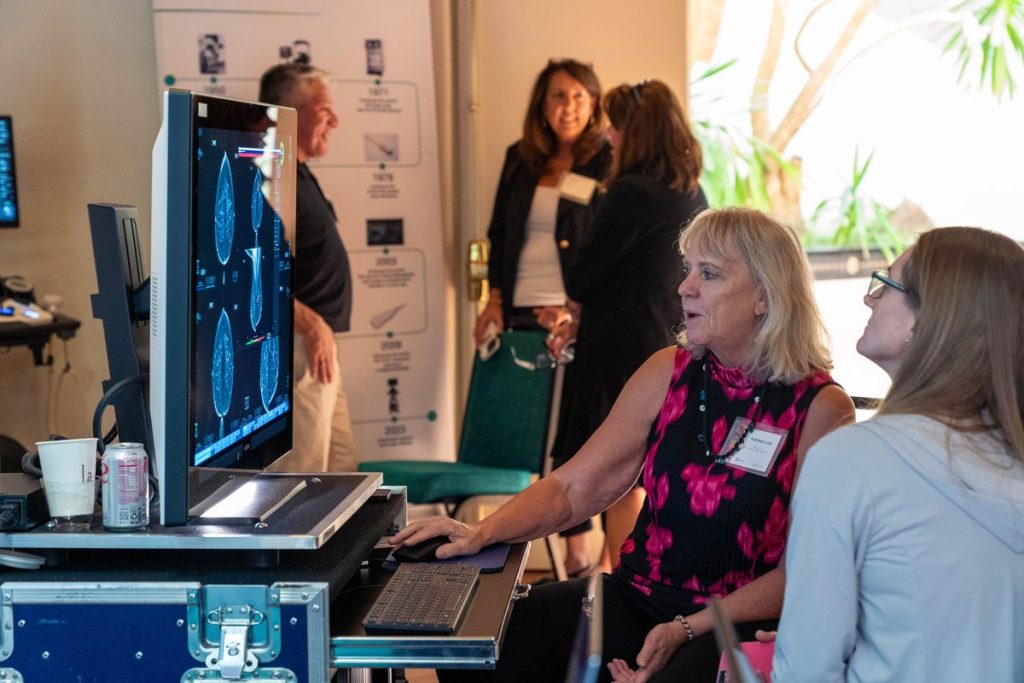
Case review at the reading workstations, MiSF 2026.
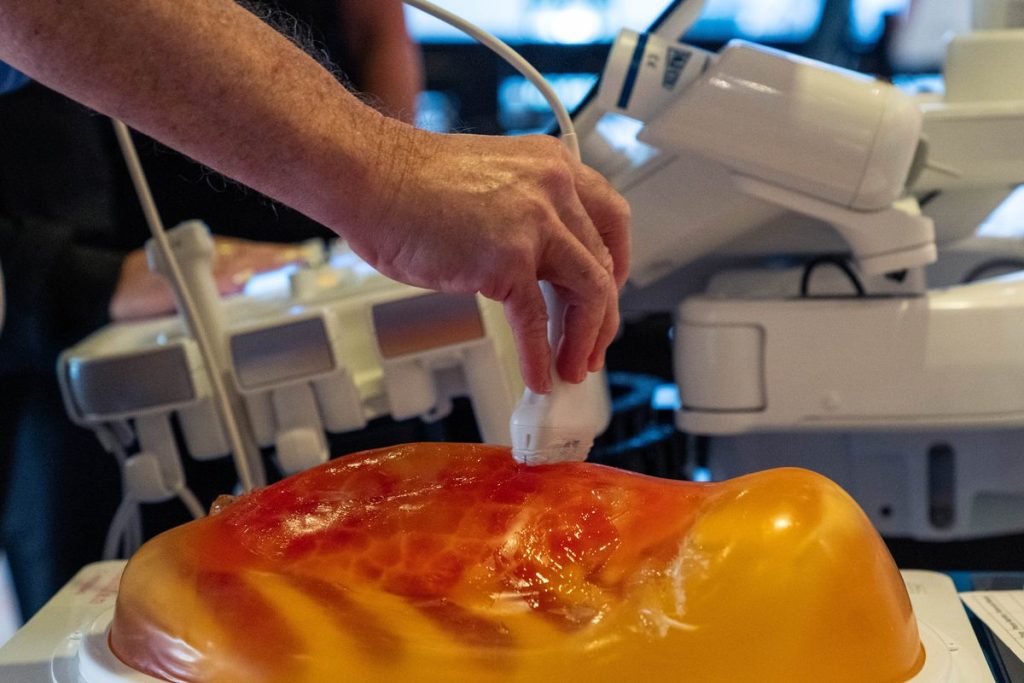
Hands-on ultrasound practice on breast phantoms.
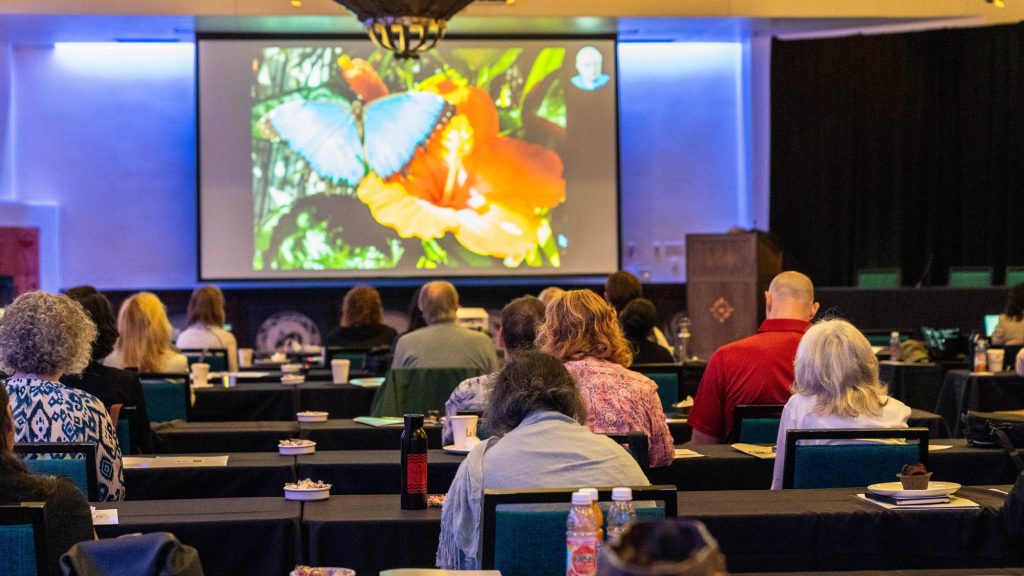
The main hall at La Fonda on the Plaza.
Areas covered
Indicative scope. The final programme is set by the course directors.
BI-RADS v2025
The new lexicon in practice
Screening & tomosynthesis
DBT interpretation and recall
Supplemental screening
Dense breasts: MRI, ultrasound, CEM
Abbreviated breast MRI
What the trial data supports
Contrast-enhanced mammography
Now its own BI-RADS section
Intervention & staging
Biopsy, localisation, pre-operative work-up
Who should attend
Radiologists and breast imaging fellows at any career stage. MiSF is unusual in that it works for someone in their first year of reading mammograms and for someone who has attended fifteen times — the case discussion adapts to the room, and much of the value has always come from the people sitting in it.
Mammography technologists attend for ARRT CE credit, and the program is designed so a radiologist and the technologists they work with can come together.
Learning objectives
Learning Objectives subject to change
The objectives below are subject to change. Session-level objectives are authored by the presenting faculty and reviewed by the accrediting provider before publication.
On completion of this activity, participants should be able to:
- Apply the BI-RADS v2025 lexicon and assessment categories to screening and diagnostic breast examinations, and describe the changes from the prior edition that alter reporting language and management recommendations.
- Interpret digital breast tomosynthesis studies using a reproducible slab-and-slice search pattern, and identify the findings on which tomosynthesis most changes recall and biopsy decisions.
- Select supplemental screening for women with dense breasts — whole-breast ultrasound, contrast-enhanced mammography or MRI — based on published yield, risk assessment and local practice capability.
- Describe the protocol, evidence base and appropriate population for abbreviated breast MRI, and interpret abbreviated studies using the BI-RADS MRI lexicon.
- Apply contrast-enhanced mammography technique and lexicon to screening, problem solving and extent-of-disease assessment.
- Choose modality, device and approach for image-guided breast biopsy, and manage radiologic–pathologic discordance and upgrade risk.
- Evaluate artificial-intelligence tools in a breast imaging practice, including how to audit their output and where interpretive responsibility remains with the radiologist.
- Measure practice performance against published medical-audit benchmarks and identify the metrics that indicate a need for practice change.
Program
Five mornings, 2–6 August 2027. Each day runs five 45-minute case-review sessions from 7:30 am, closing with a 30-minute all-faculty panel on the day's most contested cases at 11:30 am, so afternoons stay clear. An optional hands-on workstation laboratory runs each afternoon from 1:30–5:00 pm as an add-on to program registration, with tracks across mammography, tomosynthesis, breast MRI, whole-breast ultrasound, contrast-enhanced mammography, and an AI reader challenge — fee and capacity per track to be confirmed.
The five-day schedule is set by the course director and faculty. It will be published here, with session times and speakers, once confirmed. 21.25 AMA PRA Category 1 Credits™ are anticipated for the didactic program, pending accreditation.
Course directors
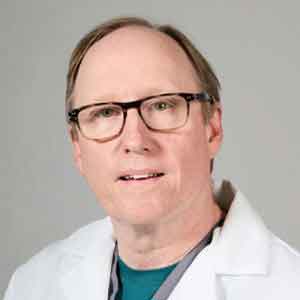
Course Director
Assistant Professor of Clinical Radiology at Weill Cornell Medicine, where he is an Assistant Attending Radiologist at NewYork-Presbyterian Hospital–Weill Cornell Campus. He chairs the ACR Committee on BI-RADS Breast MRI and is Imaging Co-Chair of the ECOG-ACRIN Breast Committee. Study chair of the ECOG-ACRIN EA1141 trial comparing abbreviated breast MRI with digital breast tomosynthesis for screening women with dense breasts, principal investigator of CMIST, the contrast-enhanced mammography screening trial, and co-principal investigator of Alliance A011104/ACRIN 6694, on the effect of pre-operative breast MRI on surgical outcomes. One of the Collective's founding physicians.
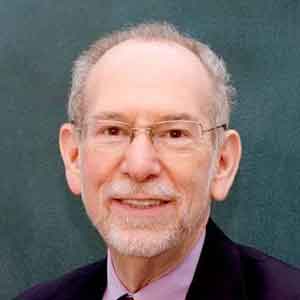
Co-Director & Founder
Founded Mammography in Santa Fe in 1996 and served as its course director for thirty consecutive years. One of the Collective’s founding physicians, and course director of the Breast Imaging Program in Mexico City. Among the most experienced breast imaging educators practising.
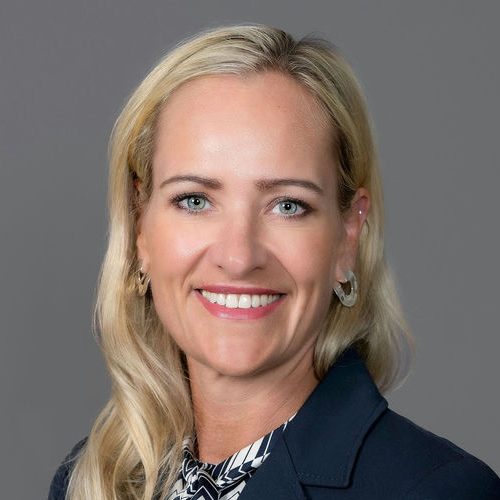
Co-Director
Division Chief of Breast Imaging and Professor of Radiology at NewYork-Presbyterian / Columbia University Irving Medical Center, appointed September 2024 after a decade at Memorial Sloan Kettering Cancer Center, where she directed breast MRI and breast imaging research. Her work centres on multiparametric and high-field breast MRI and hybrid PET/MRI. Member of the European Society of Breast Imaging executive board.
MiSF draws a large returning faculty. Names are confirmed ahead of registration opening and listed here as they join.
Between them: the physician who built this course over three decades, the study chair of the landmark trial on abbreviated breast MRI in dense breasts, and a division chief whose research defines what advanced breast MRI can do. For a 2027 programme that has to cover a new BI-RADS lexicon and the supplemental screening decisions behind it, that is an unusually well-matched set of directors — and two of the three practise at the same cancer centre.
Thirty-one years of alumni
Add your email and the year you last attended, and we will keep you posted on the 2027 program.
Santa Fe
Santa Fe has hosted this program for three decades. Attendees who have been coming for twenty years are part of what makes the room work.
2026 event held at La Fonda on the Plaza; 2027 venue to be announced.
The 2026 course was held at La Fonda on the Plaza. The 2027 venue and room block are confirmed and published ahead of registration opening. Santa Fe accommodation fills early in August; book as soon as the block opens.
Afternoons in San Diego
Sessions conclude at 1:00 pm, and the afternoon is yours. Five sights are close by and can fill the free time without an early start or a late return — the hotel sits directly on Santa Fe's historic Plaza, with the Palace of the Governors and the Cathedral Basilica of St. Francis of Assisi steps from the door, and Canyon Road's galleries, the Georgia O'Keeffe Museum, and the Santa Fe Opera all short trips away. All are optional and carry their own costs, separate from conference registration.
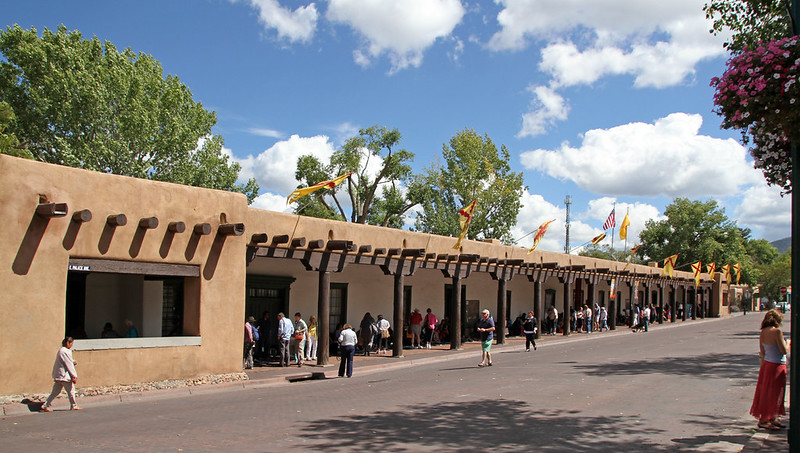
Palace of the Governors and its covered walkway on Santa Fe Plaza.
© Tony Hisgett, CC BY 2.0
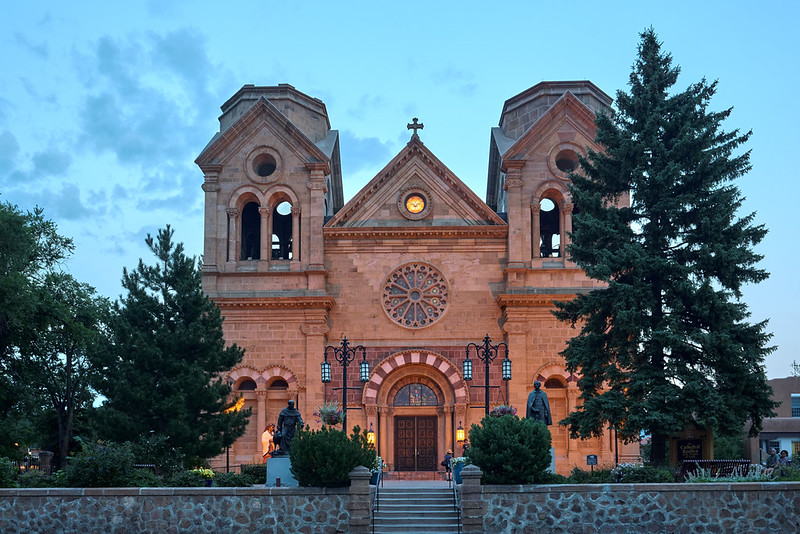
The Cathedral Basilica of St. Francis of Assisi, viewed from the front.
© Pedro Szekely, CC BY-SA 2.0
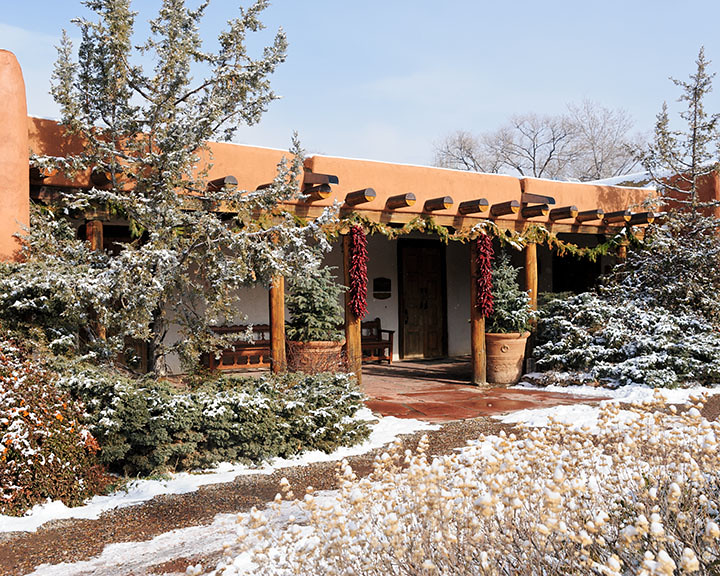
An adobe art gallery beside Canyon Road, photographed after snowfall.
© BFS Man, CC BY 2.0
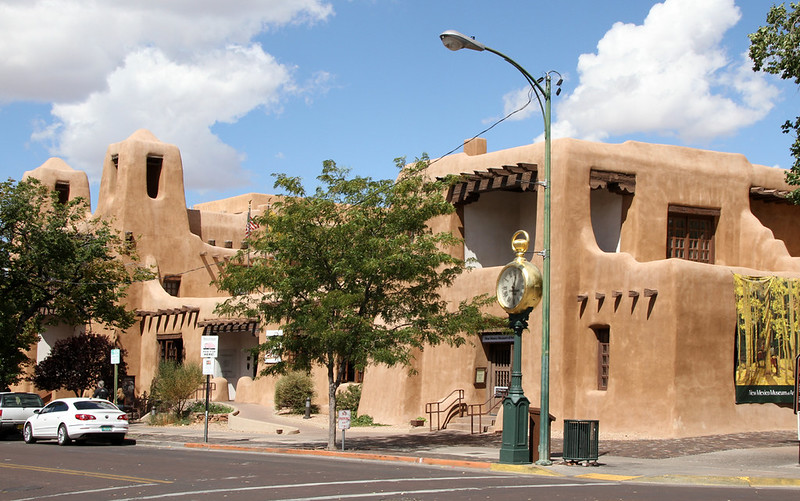
Georgia O'Keeffe Museum, Santa Fe.
© Tony Hisgett, CC BY 2.0
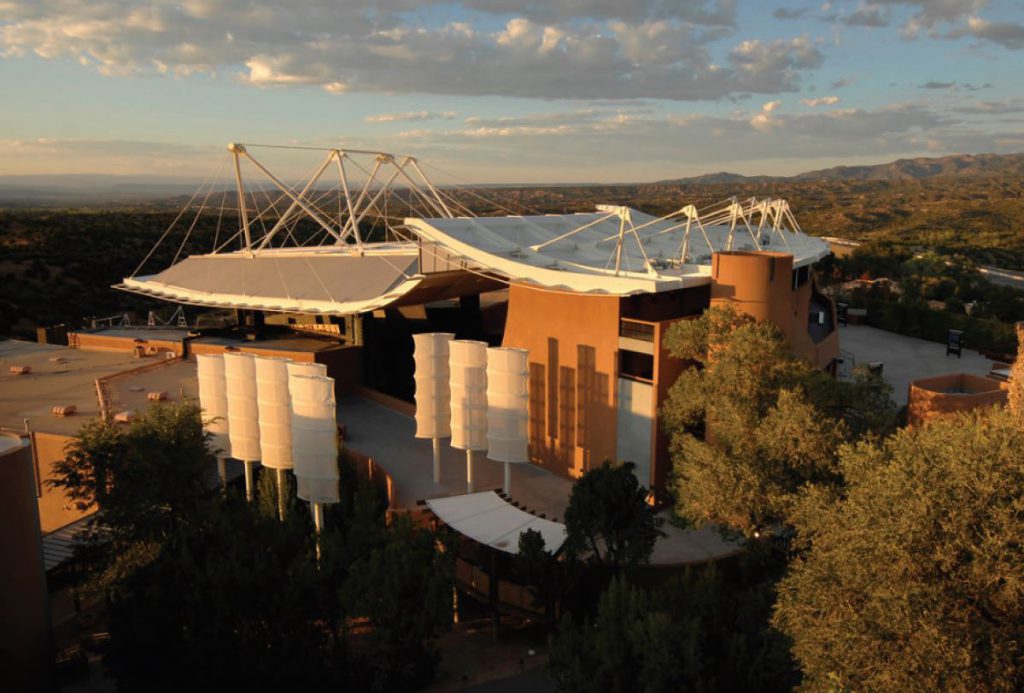
Stieren Hall at the Santa Fe Opera.
© Santa Fe Opera, CC BY 2.0
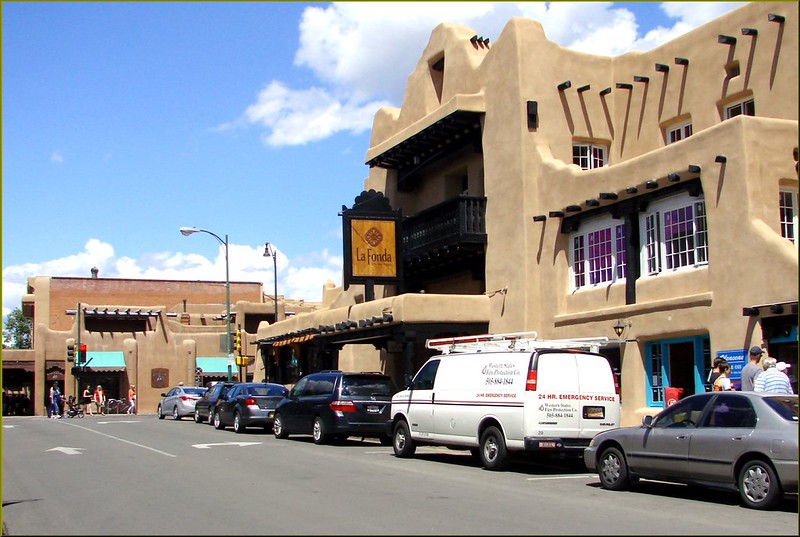
La Fonda on the Plaza, viewed from the street beside Santa Fe Plaza.
© Don Graham, CC BY-SA 2.0
Photographs of Mexico City are reproduced under the Creative Commons licences credited above.
HISTORIC LANDMARK · EASY WALKING
New Mexico's oldest public building, dating to 1610, on the north side of Santa Fe Plaza — steps from La Fonda. Native American artisans sell handmade jewelry and pottery under its portal daily.
Steps from the hotel, no drive required. Admission is $12 for out-of-state visitors ($7 for New Mexico residents); open daily 10 am–5 pm, until 7 pm on First Fridays.
The Palace's museum wing is currently under partial renovation — some historical exhibits are unavailable; worth checking current status closer to the date.
HISTORIC LANDMARK · EASY WALKING
A French Romanesque Revival cathedral, built starting in 1869, a block east of the Plaza — steps from La Fonda.
Steps from the hotel. Entry is free (donations welcome); open Tuesday–Saturday, roughly 9:30 am–4 pm, closed Sundays to visitors outside of Mass.
Hours shift around religious services — worth checking the schedule if visiting outside a Sunday morning.
ART GALLERIES · MODERATE WALKING, SOME UNEVEN SIDEWALKS
A half-mile, tree-lined stretch of 80+ art galleries in a historic adobe neighborhood, once private homes.
Roughly a 10–20 minute walk from the Plaza, or a 5-minute drive. Galleries are free to browse, open daily roughly 10 am–5 pm; hours vary by gallery.
Every Friday evening (5–7 pm), galleries stay open late for a free, informal gallery walk — worth timing a visit around if the schedule allows.
PERFORMANCE VENUE · REQUIRES A DRIVE
An open-air theater seven miles north of the Plaza, running since 1957, with views of the Jemez Mountains from the seats.
About 15 minutes by car; no public transit option. Tickets run roughly $50 and up; parking is free on-site.
Opera season runs July–August only — confirm it overlaps the program dates before including this as a live option, since the season's exact 2027 run isn't something this document or a quick search confirms yet.
Altitude. Santa Fe sits at 7,000 feet — noticeably thinner air if you're coming from sea level. Most people adjust within a day or two; drink more water than usual and go easy on alcohol until you do. Monsoon afternoons. Late July and August bring quick-forming afternoon thunderstorms — sunny mornings, sudden rain by mid-afternoon, gone within the hour. A light rain layer covers it. Strong sun, dry air. Santa Fe gets 300+ sunny days a year and the UV is stronger at altitude — sunscreen and a hat matter even on a mild-looking day, and it's easy to get dehydrated without noticing. Shoes. The Plaza and Cathedral are flat, easy walking; Canyon Road has uneven, sometimes gravelly sidewalks and a gentle uphill grade. Comfortable walking shoes cover both.
These activities are social and recreational. They carry no CME credit, sit entirely outside the certified education, and are not funded by commercial support. Each is scheduled strictly after the day’s final session, which keeps that separation clean.
Program sponsors
We are grateful to our program sponsors for their support of this educational activity. Their contributions help make possible the hands-on, case-based learning experience that defines this course, including access to advanced imaging workstations and technologies used in clinical practice.
Sponsors are confirmed closer to the event. Prospective sponsors can reach out through our sponsorship form to request the sponsorship prospectus.
Attending both Santa Fe programs?
The second Santa Fe program of 2027, overlapping this one by a day. One flight, one hotel booking, two subspecialties. Your Collective Membership covers recorded access to both either way.
Common questions
Yes. 2027 is the thirty-first consecutive year. Dr. Linver founded it in 1996 and directed it for thirty years; from 2027 Dr. Christopher Comstock directs it, with Dr. Linver continuing as co-director alongside Dr. Katja Pinker.
The cases are new each year, and 2027 carries a substantial amount of genuinely new material: the BI-RADS v2025 lexicon, and the supplemental screening evidence this faculty has generated. Returning attendees are a large part of the room, which is only possible because the content moves.
Yes. The case-review format adapts to the room, and MiSF has always mixed first-year readers with people who have attended for fifteen years. That mix is one of the reasons it works.
Yes. The program is accredited for both physician CME and technologist ARRT CE, so radiologists and the technologists they work with can attend together and each claim the credit that applies to their role.
Credit amounts are confirmed ahead of the program and published here once finalized.
Registration invoices as accredited continuing education conference registration — the category most hospital CME offices already recognize. Institutional travel approval typically needs about six months of lead time, so for an August 2027 program that conversation belongs early in the year.
The 2027 venue and room block are published ahead of registration opening. Santa Fe fills early in August, so booking promptly matters more here than at our other destinations.
The All-Access Pass gives you the same 12-month membership and recorded access to all six 2027 programs without live attendance.
August 2–6, 2027 · Santa Fe
- Five days, full credit
- 12-month Collective Membership
- Access to all six 2027 programs
- Digital library & community
Can’t travel? All-Access Pass →
Founded 1996 by Dr. Michael N. Linver. One of the longest-running breast imaging courses in the country.
Breast imagers need 15 Category I mammography credits every 36 months. This program is designed around that requirement.
NeuroENT Imaging with the Masters, August 5–8, overlapping by one day.
Thirty-one years. Five days. August in Santa Fe.
Registration is $1,595 and includes a full 12-month Collective Membership.