AI in Radiology
May 23–26, 2027 · San Diego · Mission Bay
Course Director: Dr. Richard H. Wiggins III
CME for physicians
ARRT CE for technologists
Deployment & governance
No coding required
The question stopped being whether AI belongs in radiology and became which tools to buy, how to validate them on your own population, who is accountable when one is wrong, and what happens to a report when the model disagrees with you.
Not vendors and not researchers describing future capability — practising radiologists who run imaging informatics for major health systems, direct academic AI centres, and set national standards for how these tools are evaluated.
Overview
Four days in San Diego on the practical realities of bringing artificial intelligence into a radiology practice, led by Course Director Dr. Richard H. Wiggins III with a faculty of practising radiologist-informaticists.
This is a deployment and governance course, not a machine learning course. It assumes you are a radiologist rather than a data scientist, and it addresses the decisions actually in front of you: evaluating a claim on a vendor's slide, validating performance on your own patient population, integrating a tool into a worklist without slowing it down, monitoring for drift after go-live, and documenting all of it in a way that survives scrutiny.
It is also the one program on the 2027 calendar that is relevant across every subspecialty, because the governance problems are the same whether the model reads mammograms, head CTs, or chest radiographs.
Areas covered
Indicative scope. The final programme is set by the course directors.
Evaluating the evidence
Reading a vendor performance claim critically
Local validation
Testing a model on your own population
Workflow integration
PACS, worklists, and not slowing the read
Monitoring & drift
What happens after go-live
Regulatory & procurement
Clearance, contracts, and the questions to ask
Accountability
Documentation, disagreement, and liability
Who should attend
Radiologists evaluating, procuring, or already running AI tools — and the people who will be asked to justify those decisions to a department, a committee, or a hospital board. Equally relevant to imaging informatics leads, PACS administrators, and department chairs. Radiologic technologists attend for ARRT CE credit.
No programming background is expected or required. Nothing in the program asks you to write code.
Learning objectives
Learning Objectives subject to change
The objectives below are subject to change. Session-level objectives are authored by the presenting faculty and reviewed by the accrediting provider before publication.
On completion of this activity, participants should be able to:
- Review core definitions and fundamental concepts of AI/ML in radiology.
- Develop a nuanced understanding of clinical imaging approaches utilizing AI tools.
- Expand professional expertise regarding real-world AI applications in radiological practice.
Program
Four mornings, 23–26 May 2027. Each day starts at 8:00 am and closes at 1:15 pm, with a mid-morning break and a closing faculty panel and Q&A built in — so the afternoons and evenings stay clear.
Agenda subject to change
The schedule below reflects the finalized four-day programme, with one exception: the Day 4, 8:00–8:45 AM slot is still to be decided. Approximately 19 CME credits are anticipated, pending accreditation.
Day 1 · Sunday 23 May — AI Foundations, Technical Mechanics & The Commercial Marketplace
Day 2 · Monday 24 May — Clinical Integration, Informatics Standards & Workflow Redesign
Day 3 · Tuesday 25 May — Governance, Quality Monitoring, Failure Modes & Practice Economics
Day 4 · Wednesday 26 May — Large Language Models, Agentic AI & The Future of Radiology Practice
Who is teaching it
Course Director Dr. Richard H. Wiggins III, with Dr. Katherine P. Andriole, Dr. Woojin Kim, Dr. Marc D. Kohli, Dr. Peter D. Chang, and Dr. Thiago A. Braga as course faculty. Two of the five — Dr. Andriole and Dr. Chang — co-chair SIIM's Conference on Artificial Intelligence in Medical Imaging (CAIMI), the field's benchmark dedicated AI-in-imaging meeting.
Faculty

Course Director
One of the Collective’s founding physicians and course director for both AI in Radiology and NeuroENT Imaging with the Masters. Professor of Radiology at the University of Utah, where he directs the neuroradiology fellowship — a program whose graduates make up much of the Collective’s neuro faculty.
Course Faculty
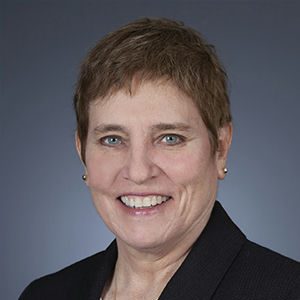
Inaugural Associate Dean for Health AI Strategy and Innovation and Director of the Center for AI and SMART Health at UCLA’s David Geffen School of Medicine. Previously spent more than twenty years in Radiology at Brigham and Women’s Hospital and Harvard Medical School, latterly as Director of Academic Research and Education for Mass General Brigham AI. Senior Scientist for Education at the ACR Data Science Institute.
Course Faculty
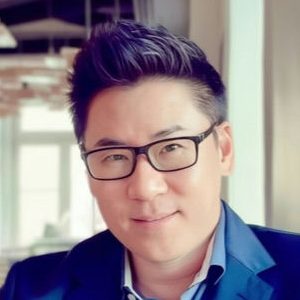
Musculoskeletal radiologist and imaging informaticist. Chief Strategy Officer and Chief Medical Information Officer at HOPPR, Chief Medical Officer for the ACR Data Science Institute, and MSK radiologist at the Palo Alto VA Medical Center. Co-founded Montage Healthcare Solutions and Equium Intelligence, both since acquired.
Course Faculty
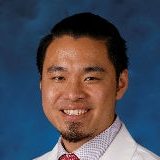
Professor of Radiology and Biomedical Imaging and Medical Director of Imaging Informatics for UCSF Health, and Associate Chair of Clinical Informatics for the department. Former Chair of the Society for Imaging Informatics in Medicine board, and co-chair of the RSNA/ACR Committee on Common Data Elements.
Course Faculty
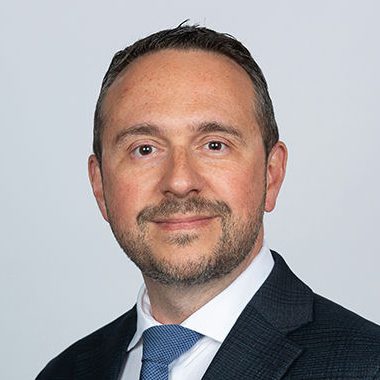
Associate Professor of Radiological Sciences and Computer Science at UC Irvine, and Director of both the Institute for Precision Health and the Center for Applied Artificial Intelligence Research. A practising radiologist and software engineer who has worked with Nvidia, Amazon, and Canon Medical, and founded Avicenna.AI.
Course Faculty
Assistant Professor of Clinical Radiology and Section Chief for ER/Trauma and NightHawk at the University of Miami Miller School of Medicine, with a Jackson Health System affiliation. His stated interests are AI across the imaging workflow and the teaching of AI within radiology residency training — the deployment end of the problem rather than the standards end.
Between them, this group holds the Chief Medical Officer role at the ACR Data Science Institute, the Senior Scientist for Education role at the same institute, imaging informatics leadership at UCSF Health, an academic AI centre directorship at UCLA, and another at UC Irvine — alongside a working emergency and trauma section chief who teaches AI at residency level. These are the people who write the standards, run the deployments, and get called when one goes wrong — which is a materially different proposition from a vendor demonstration.
San Diego & the venue
Four days at the San Diego Mission Bay Resort, on Mission Bay.
The San Diego Mission Bay Resort sits directly on Mission Bay, with on-site dining, a waterfront pool, and meeting space for the general sessions. Rooms run $259/night plus tax and a $25/night resort fee. Details are confirmed for the May 23–26 dates.
Afternoons in San Diego
Sessions conclude at 1:15 pm, and the afternoon is yours. Three activities are close by and can fill the free time without an early start or a late return — the property sits directly on Mission Bay, with SeaWorld, Balboa Park, and the San Diego Zoo all a short drive away. All are optional and carry their own costs, separate from conference registration.

A pond in front of a building with a clock tower in the background.
© Vincent Y
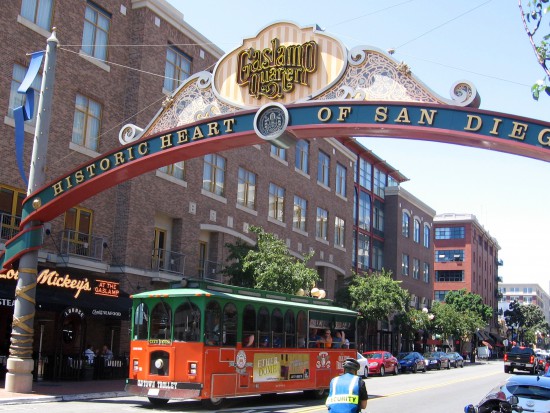
Historic Old Town San Diego archway over a street.
© Nils Huenerfuerst
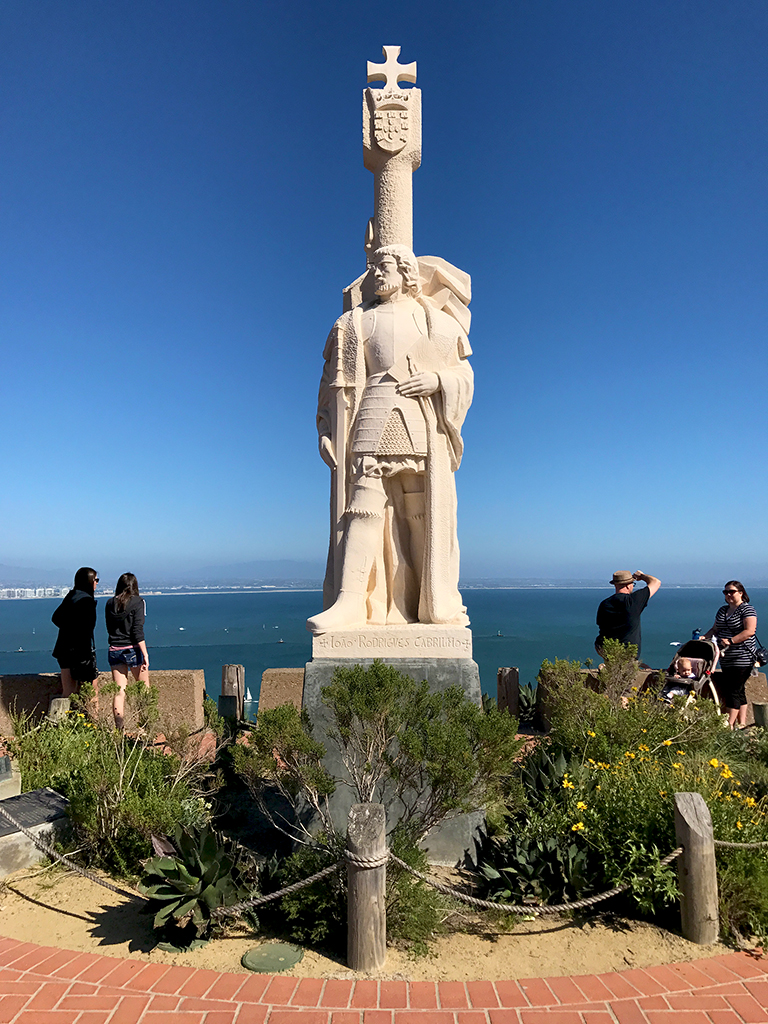
Cabrillo statue with the Old Point Loma Lighthouse.
National Park Service photography
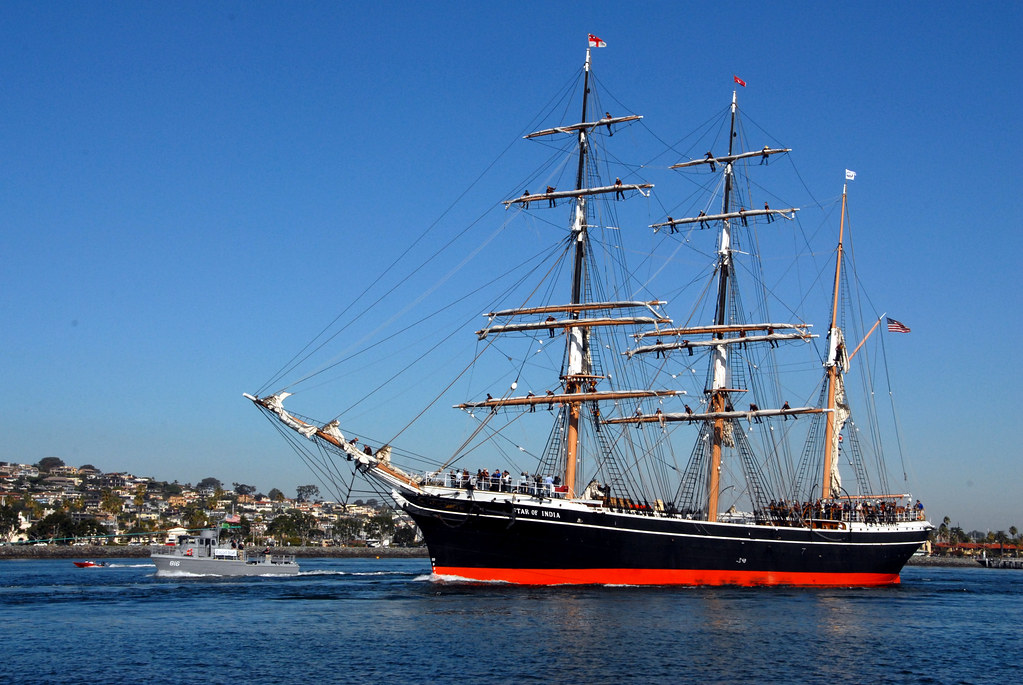
Maritime Museum of San Diego — Star of India.
© Port of San Diego, CC BY 2.0
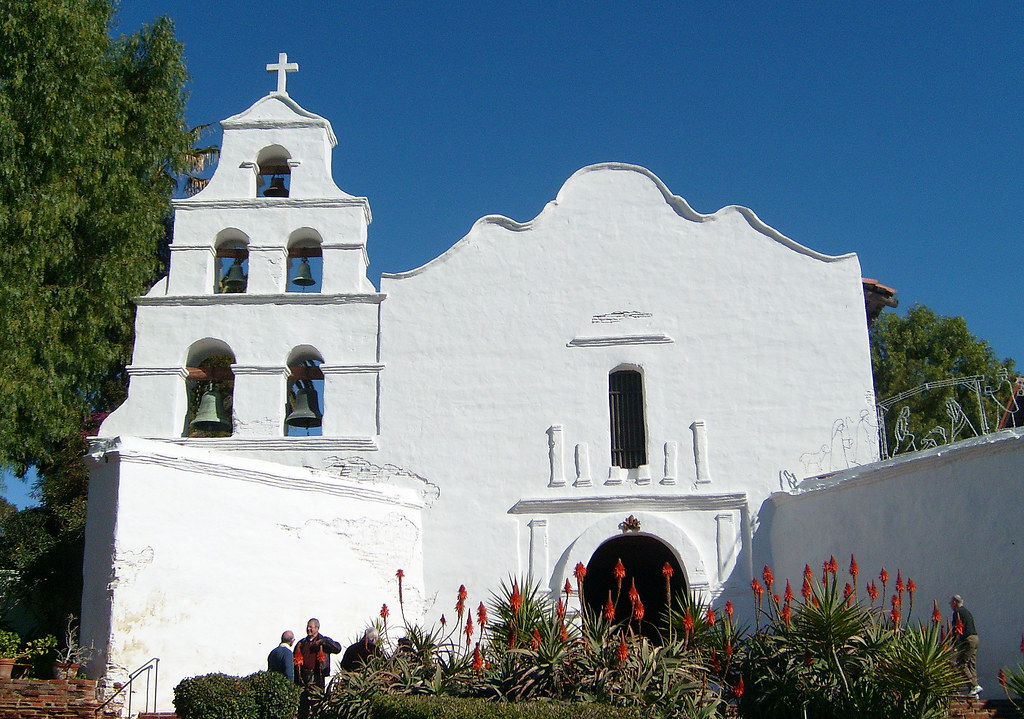
Mission Basilica San Diego de Alcalá — California's first mission.
© Ken Lund, CC BY-SA 2.0
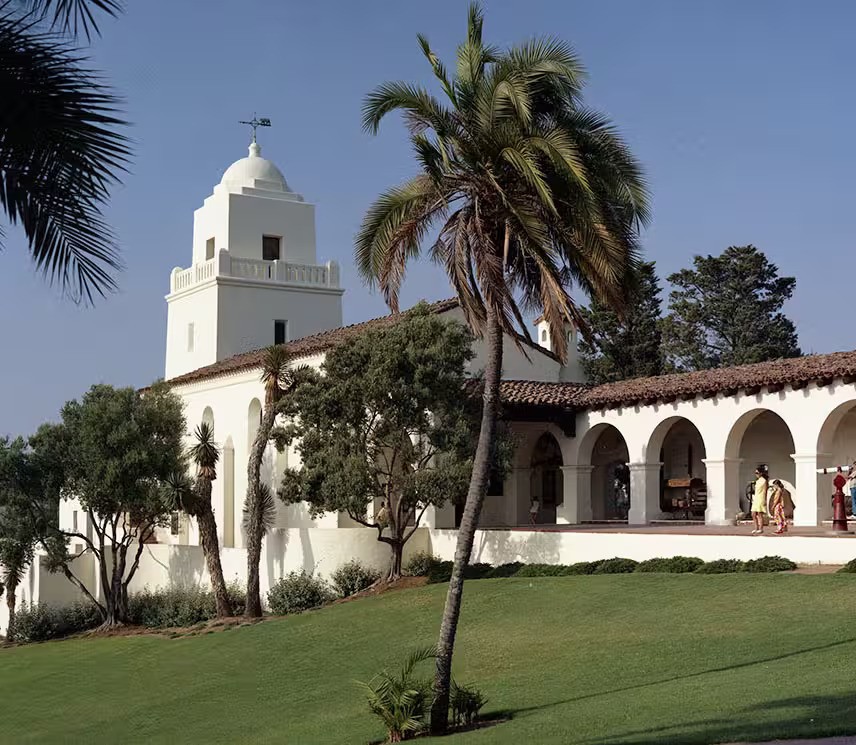
Junípero Serra Museum, Presidio Park, San Diego.
© Ken Lund, CC BY-SA 2.0
Photographs of Mexico City are reproduced under the Creative Commons licences credited above.
PARK, ZOO & MUSEUMS · EASY TO MODERATE WALKING
A 1,200-acre urban park in the middle of San Diego, with gardens, museums, and the El Prado walkway free to wander. The San Diego Zoo sits inside the park's grounds and is separately ticketed — the two are an either-or depending on how much time is available, not a package.
Roughly 8 miles / 20–25 minutes from the resort. Park entry is free; the Zoo runs around $76 for adults, open daily from 9 am. Parking nearby runs about $16/day.
The Zoo is open 365 days a year. Balboa Park's museums keep their own, separate hours — worth checking individually before visiting a specific one.
MARINE PARK · MODERATE WALKING
A marine park and oceanarium sitting inside Mission Bay Park itself — animal presentations, aquariums, and rides.
Roughly 2.5 miles / 10 minutes from the resort. Admission runs approximately $85–100 for adults online (higher at the gate), and parking is separate.
Hours and pricing shift by season and promotion — worth checking the current schedule closer to the date rather than relying on a fixed figure.
BIKE PATH · FLAT, ANY DISTANCE
A flat, nearly 12-mile path that loops the bay, passing parks, playgrounds, and the San Diego River estuary — walkable or bikeable directly from the resort.
Rentals are available on-site and at nearby Mission Bay outfitters, roughly $20–25/day. No booking required.
No closures to flag — open year-round, weather permitting.
Marine layer. Late May mornings run cool and overcast — locally called "May gray" — before burning off by early afternoon; a light layer covers the walk over, and sunscreen still matters once it clears. Cold water. Mission Bay and the ocean sit around 60–64°F even this late in May — fine for wading or a short paddle from the resort, not for swimming without a wetsuit. Card, not cash. Admissions at SeaWorld, the Zoo, and Balboa Park's museums, along with bike rentals, all run on card or contactless — there's little reason to carry cash. Shoes. Balboa Park and the Zoo involve real walking on hilly paved paths; the Mission Bay bike path is flat pavement by comparison. Comfortable walking or athletic shoes cover both.
These activities are social and recreational. They carry no CME credit, sit entirely outside the certified education, and are not funded by commercial support. Each is scheduled strictly after the day’s final session, which keeps that separation clean.
Program sponsors
Program sponsors for AI in Radiology are confirmed closer to the event and acknowledged here.
Also in San Diego
The second San Diego program of 2027, led by Dr. William Morrison at the Mission Bay Resort. If the two run adjacently, one trip and one set of travel approvals can cover both subspecialties. Your Collective Membership includes recorded access to both either way.
Common questions
No. The program is built for practising radiologists and imaging leaders, not for data scientists. Nothing asks you to write code. The focus is on evaluating, deploying, and governing tools rather than building them.
No, and that’s deliberate. The governance and deployment questions are the same whether the model reads mammograms, head CTs, or chest radiographs, so the program is relevant across every subspecialty on the calendar.
Faculty determine content, learning objectives, and speakers for all accredited sessions. Any commercial support is disclosed to attendees, and supporters have no role in shaping the material. See our partnership approach.
Live attendance at AI in Radiology with full credit, plus a 12-month Altus Radiology Collective Membership — recorded access to every other 2027 conference, the digital library, community features, and credit tracking.
Yes. The program is accredited for both physician CME and technologist ARRT CE. It is also directly relevant to PACS administrators and imaging informatics staff, who often carry the practical work of a deployment.
Approximately 19 CME credits are anticipated for the four-day programme, pending accreditation. The programme is accredited for both physician CME and technologist ARRT CE, and the final figure is confirmed ahead of the event.
Registration invoices as accredited continuing education conference registration — the category most hospital CME offices already recognize. Institutional travel approval typically needs about six months of lead time, so for a May 2027 program that conversation belongs around the turn of the year.
The All-Access Pass gives you the same 12-month membership and recorded access to all six 2027 programs without live attendance.
May 23–26, 2027 · San Diego
- Live attendance, full credit
- 12-month Collective Membership
- Access to all six 2027 programs
- Digital library & community
Can’t travel? All-Access Pass →
The only 2027 program that applies regardless of what you read — the governance questions do not change by modality.
Advanced MSK MRI, Mission Bay Resort, led by Dr. William Morrison.
Four days on the decisions you actually face.
Registration is $1,595 and includes a full 12-month Collective Membership.