
Advanced Musculoskeletal MRI with the Masters
May 27–30, 2027 · San Diego · Mission Bay Resort
Course Director: Dr. William B. Morrison
CME for physicians
ARRT CE for technologists
Advanced level
Case-based
The Masters format puts a small room in front of senior authorities in a single subspecialty for four days — working through their cases, hearing how they actually decide, and asking the questions you would ask a colleague rather than a lecturer.
The subspecialty where protocol is the diagnosis.
Musculoskeletal MRI rewards knowing which sequence answers which question, what a post-operative joint should look like, and which findings are incidental. It is difficult to self-teach and it is where second opinions most often change management.
Overview
Four days of advanced musculoskeletal MRI at the Mission Bay Resort in San Diego, led by Course Director Dr. William B. Morrison — past president of the Society of Skeletal Radiology and one of the most widely published authorities in the field.
This is an advanced course. It assumes you already read MSK MRI and want to read it better: the difficult post-operative knee, the shoulder where the labrum and the rotator cuff both look abnormal, the marrow signal that might be nothing, the incidentaloma that will generate a referral either way. The format is case-based rather than systematic, because the value is in the reasoning, not the anatomy list.
It is the second of two San Diego programs in 2027. AI in Radiology runs May 23–26 at Mission Bay, ending the day this program begins — so one trip can cover both.
Areas covered
Indicative scope. The final programme is set by the course directors.
Shoulder
Cuff, labrum, instability, and the post-op shoulder
Knee
Meniscus, ligament, cartilage, post-operative
Hip & pelvis
Impingement, labrum, athletic groin pain
Foot, ankle, hand & wrist
Small-joint and small-structure imaging
Marrow & bone tumour
What is worrying, what is not
Protocols & artefact
Sequence selection and metal in the field
Who should attend
Radiologists who already read musculoskeletal MRI regularly — subspecialists, and general radiologists carrying a substantial MSK workload. Also relevant to fellows moving toward independent MSK reporting, and to MRI technologists responsible for protocol execution, who attend for ARRT CE credit.
If you are looking for a systematic introduction to MSK MRI rather than advanced case reasoning, this is not the right program — and we would rather tell you that now.
Learning objectives
Learning Objectives subject to change
The objectives below are subject to change. Session-level objectives are authored by the presenting faculty and reviewed by the accrediting provider before publication.
On completion of this activity, participants should be able to:
- Construct and troubleshoot MSK MRI protocols by anatomic region, articulating the trade-offs among sequence selection, field strength, resolution, and scan time.
- Recognize the artifacts that most often alter MSK interpretation — metallic susceptibility, motion, magic angle, chemical shift — and apply mitigation strategies.
- Differentiate clinically significant rotator cuff and labral pathology from incidental and age-related findings.
- Interpret the post-operative shoulder, knee, and hip, distinguishing expected appearances from recurrent or residual pathology.
- Apply current measurement and grading conventions in FAI, cartilage assessment, and muscle/tendon injury, including limitations.
- Evaluate marrow signal abnormality and distinguish reactive/physiologic patterns from marrow-replacing disease.
- Identify imaging features of aggressive bone and soft-tissue lesions and determine when sarcoma-center referral is indicated.
- Compose MSK MRI reports that answer the referring clinician's question and communicate diagnostic uncertainty accurately.
Program
Four mornings, 27–30 May 2027. Each day starts with breakfast at 7:00 am and finishes at 12:30 pm, closing with the Masters Reading Room — an all-faculty panel reading unknown cases live — so the afternoons stay clear.
The four-day schedule is set by the course director and faculty. It will be published here, with session times and speakers, once confirmed. 18.00 AMA PRA Category 1 Credits™ are anticipated, pending accreditation.
Faculty
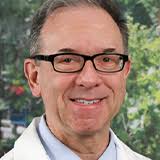
Course Director
rofessor of Radiology at Thomas Jefferson University Hospital and Director of its Division of General and Musculoskeletal Radiology. Past president of the Society of Skeletal Radiology, a member of its executive committee, and a member of the American College of Radiology Expert Panel on Musculoskeletal Radiology. He is faculty on the ACR/AIRP Musculoskeletal Imaging Categorical Course and practices within the Jefferson musculoskeletal imaging and intervention division. He has co-authored or co-edited thirteen textbooks, written more than eighty book chapters, and published over one hundred and sixty peer-reviewed articles, and lectures to radiologists, rheumatologists, and orthopaedic surgeons internationally.
Further course faculty are confirmed ahead of registration opening and listed here as they join.
Advanced Musculoskeletal MRI shares its format with NeuroENT Imaging with the Masters in Santa Fe: a single subspecialty, senior faculty teaching from their own case material, and a room small enough that questions get answered properly. The two programs sit at opposite ends of the 2027 calendar, in May and August.
San Diego & the venue
Four days at the San Diego Mission Bay Resort — five miles (about fifteen minutes) from San Diego International Airport.
The San Diego Mission Bay Resort sits directly on Mission Bay, with on-site dining, a waterfront pool, and meeting space for the general sessions. Rooms run $259/night plus tax and a $25/night resort fee. Details are confirmed for the May 27–30 dates.
Afternoons in San Diego
Sessions conclude at 1:15 pm, and the afternoon is yours. Three activities are close by and can fill the free time without an early start or a late return — the property sits directly on Mission Bay, with SeaWorld, Balboa Park, and the San Diego Zoo all a short drive away. All are optional and carry their own costs, separate from conference registration.

A pond in front of a building with a clock tower in the background.
© Vincent Y
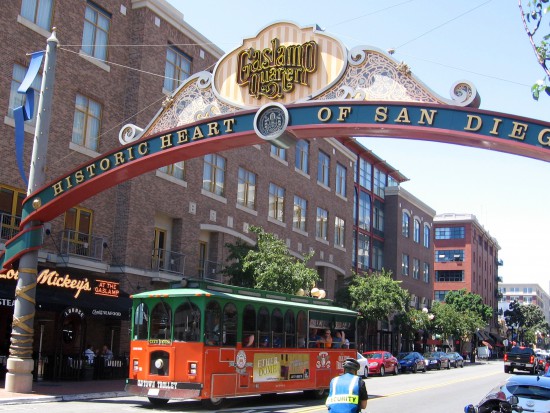
Historic Old Town San Diego archway over a street.
© Nils Huenerfuerst
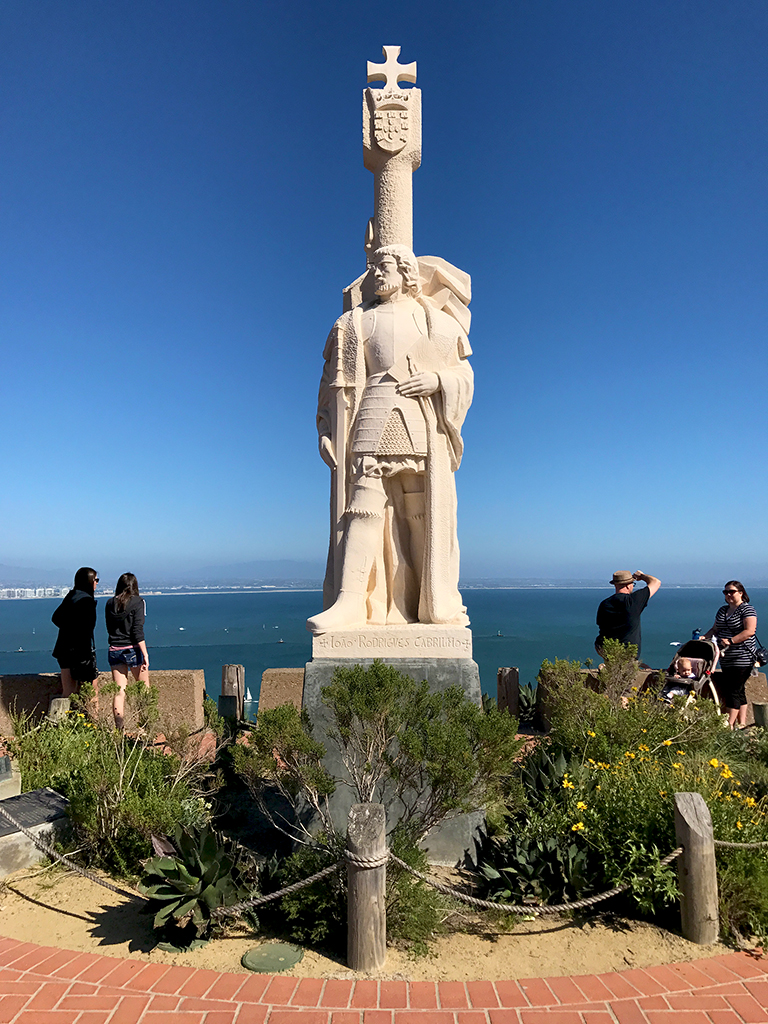
Cabrillo statue with the Old Point Loma Lighthouse.
National Park Service photography
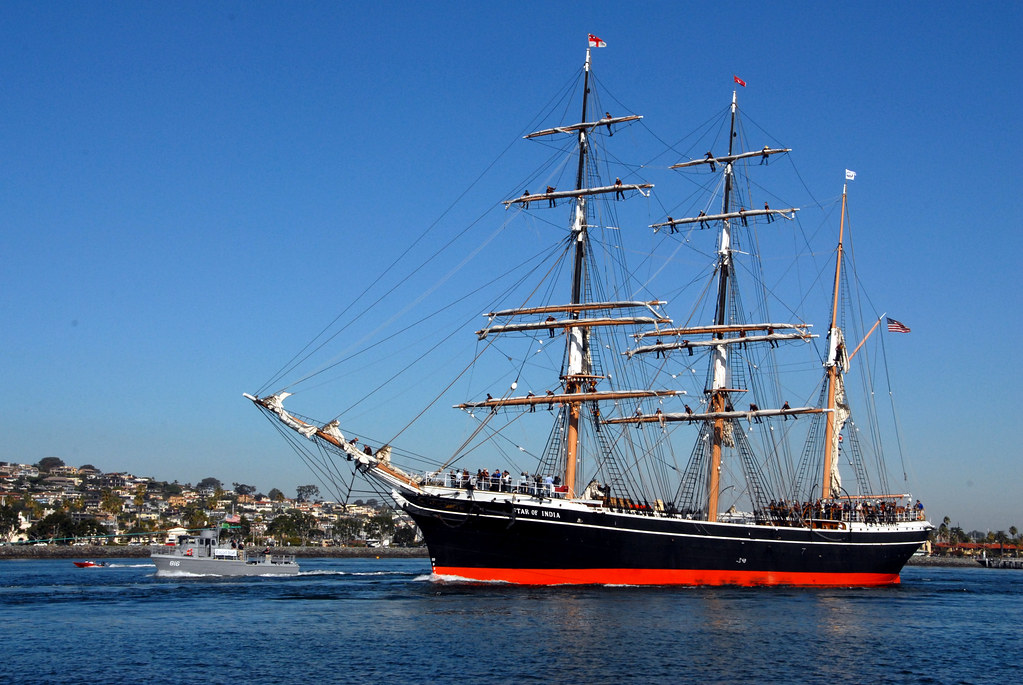
Maritime Museum of San Diego — Star of India.
© Port of San Diego, CC BY 2.0
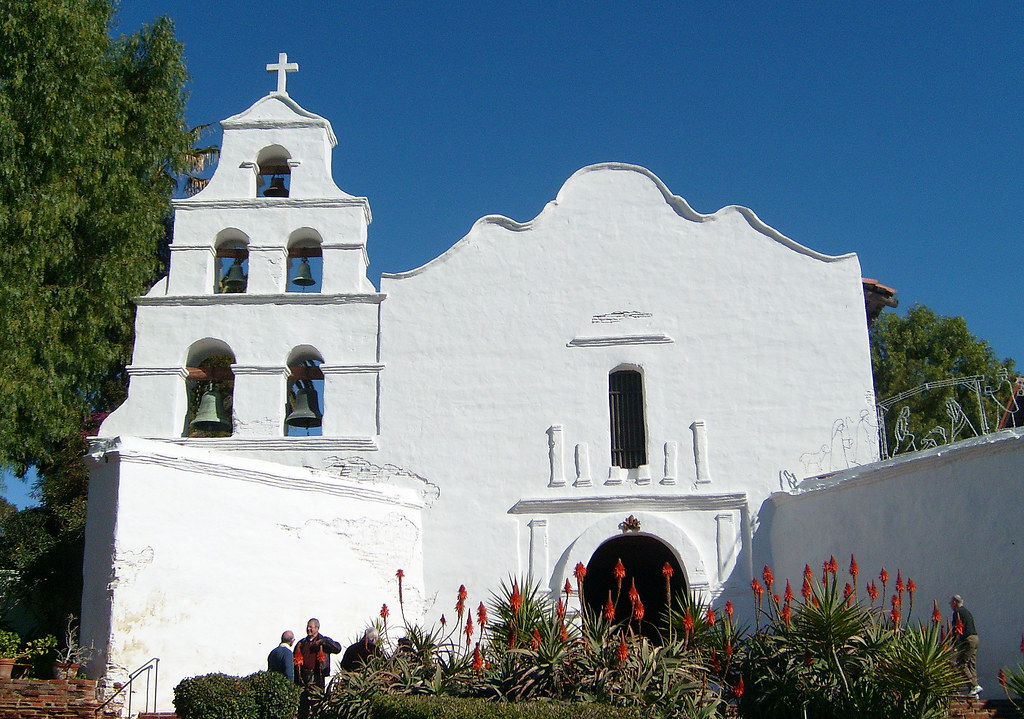
Mission Basilica San Diego de Alcalá — California's first mission.
© Ken Lund, CC BY-SA 2.0
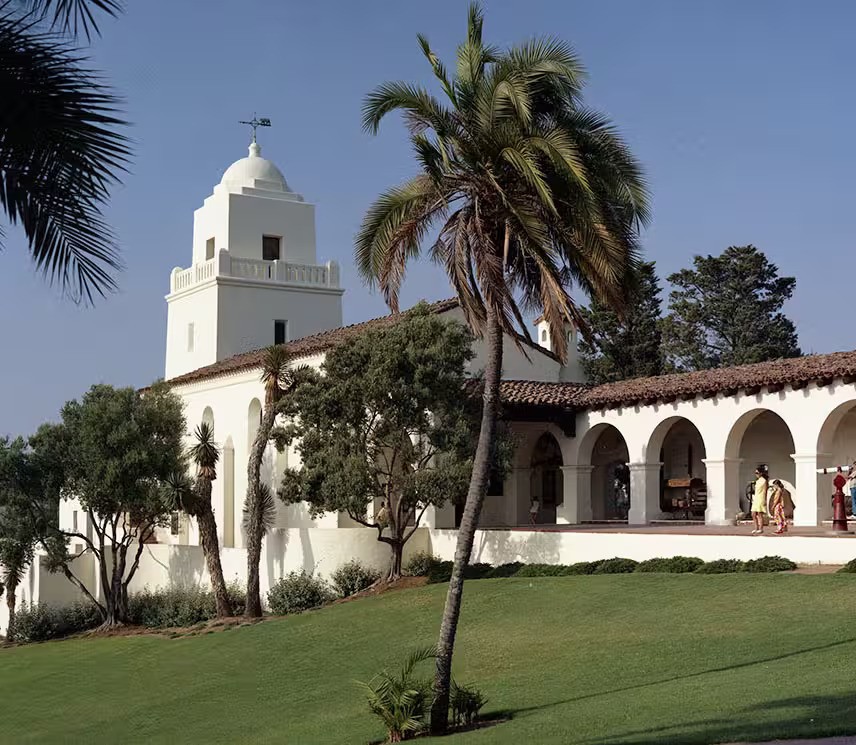
Junípero Serra Museum, Presidio Park, San Diego.
© Ken Lund, CC BY-SA 2.0
Photographs of Mexico City are reproduced under the Creative Commons licences credited above.
PARK, ZOO & MUSEUMS · EASY TO MODERATE WALKING
A 1,200-acre urban park in the middle of San Diego, with gardens, museums, and the El Prado walkway free to wander. The San Diego Zoo sits inside the park's grounds and is separately ticketed — the two are an either-or depending on how much time is available, not a package.
Roughly 8 miles / 20–25 minutes from the resort. Park entry is free; the Zoo runs around $76 for adults, open daily from 9 am. Parking nearby runs about $16/day.
The Zoo is open 365 days a year. Balboa Park's museums keep their own, separate hours — worth checking individually before visiting a specific one.
MARINE PARK · MODERATE WALKING
A marine park and oceanarium sitting inside Mission Bay Park itself — animal presentations, aquariums, and rides.
Roughly 2.5 miles / 10 minutes from the resort. Admission runs approximately $85–100 for adults online (higher at the gate), and parking is separate.
Hours and pricing shift by season and promotion — worth checking the current schedule closer to the date rather than relying on a fixed figure.
BIKE PATH · FLAT, ANY DISTANCE
A flat, nearly 12-mile path that loops the bay, passing parks, playgrounds, and the San Diego River estuary — walkable or bikeable directly from the resort.
Rentals are available on-site and at nearby Mission Bay outfitters, roughly $20–25/day. No booking required.
No closures to flag — open year-round, weather permitting.
Marine layer. Late May mornings run cool and overcast — locally called "May gray" — before burning off by early afternoon; a light layer covers the walk over, and sunscreen still matters once it clears. Cold water. Mission Bay and the ocean sit around 60–64°F even this late in May — fine for wading or a short paddle from the resort, not for swimming without a wetsuit. Card, not cash. Admissions at SeaWorld, the Zoo, and Balboa Park's museums, along with bike rentals, all run on card or contactless — there's little reason to carry cash. Shoes. Balboa Park and the Zoo involve real walking on hilly paved paths; the Mission Bay bike path is flat pavement by comparison. Comfortable walking or athletic shoes cover both.
These activities are social and recreational. They carry no CME credit, sit entirely outside the certified education, and are not funded by commercial support. Each is scheduled strictly after the day’s final session, which keeps that separation clean.
Program sponsors
Program sponsors for Advanced Musculoskeletal MRI are confirmed closer to the event and acknowledged here.
Attending both San Diego programs?
It ends the day before this program starts, at Mission Bay. Two subspecialties, one trip, one set of travel approvals — and AI in Radiology is the one 2027 program relevant regardless of what you read. Your Collective Membership covers recorded access to both either way.
Common questions
The program assumes you already read musculoskeletal MRI as part of your regular practice. Sessions work through difficult and ambiguous cases rather than establishing fundamentals. If you are building MSK MRI competence from a low base, a systematic introductory course will serve you better.
Senior faculty teaching from their own case material to a small room, across four days in a single subspecialty. The emphasis is on how experienced readers reason through ambiguity, and on having time to ask follow-up questions properly.
Yes — that is how the San Diego week is built. AI in Radiology runs May 23–26 and this program May 27–30 at the same venue, sharing a transition day. Registration is per program; tell us if you plan to attend both and we will walk you through it.
Yes. The program is accredited for both physician CME and technologist ARRT CE. Protocol selection and artefact management are directly relevant to technologists responsible for MSK MRI acquisition.
Live attendance with full credit, plus a 12-month Altus Radiology Collective Membership — recorded access to every other 2027 conference, the digital library, community features, and credit tracking.
Credit amounts are confirmed ahead of the program and published here once finalized.
Registration invoices as accredited continuing education conference registration — the category most hospital CME offices already recognize. Institutional travel approval typically needs about six months of lead time, so for a May 2027 program that conversation belongs around the turn of the year.
The All-Access Pass gives you the same 12-month membership and recorded access to all six 2027 programs without live attendance.
May 27–30, 2027 · San Diego
- Live attendance, full credit
- 12-month Collective Membership
- Access to all six 2027 programs
- Digital library & community
Can’t travel? All-Access Pass →
Built for radiologists already reading MSK MRI regularly. Not an introductory course.
AI in Radiology, May 23–26, ending the day before this program begins. One trip covers both.
Four days with the people who wrote the books.
Registration is $1,595 and includes a full 12-month Collective Membership.